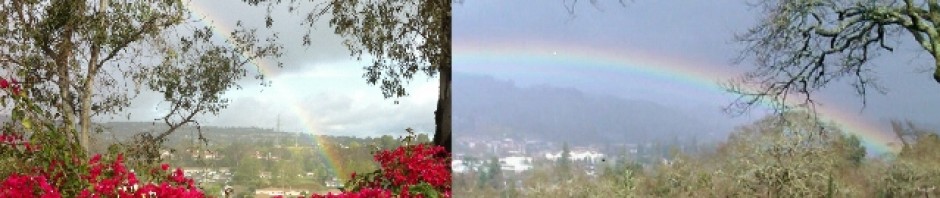
January 14
I am giving up. I’ve been trying to add photos and it just isn’t happening. From here on out I’ll be just writing and hopefully that will keep your attention? I’ll add more photos when I get near reliable internet.
Geography lesson first. Patagonia is the lower half of South America, and the western side of the Andes is Chilean. The eastern side of the Andes is Argentina. The Argentinian side is what I remember from photos in my geography books the few times I opened them. We haven’t been there but it’s the grassland, steppes, desert-y side. Chile is pretty Andean mountains and fjords and temperate rain forests; and then when we go farther south it is all islands and fjords and more mountains.
We docked in Chacabuco bright and early. I got up early enough to enjoy some of the sail in, although it rather overcast and foggy. Only later when we returned from our land tour would I see the beautiful glacial Andes towering over the fjord. It was beautiful either which way and I took photos.
We tendered in to shore from the ship, meaning we got into the boats that you see hanging off the side of cruise liners that actually serve as lifeboats if we try to re-enact Titanic. We have had to tender in many times but in tropical weather and we get stuffed in like sardines for the quick trip to shore. It’s usually hot and muggy and this cool shuttle in was much more pleasant than usual.
Because the ship was early and the tour was supposed to start an hour after docking, we were there earlier than the tour operator expected. So we waited, happily there was a sitting room inside the tiny port. When I say tiny port I mean there’s nothing there except a waiting room, bathrooms and supposedly some coffee upstairs. Not being a morning person I grabbed forty winks while we waited. The lovely owner of our little tour company arrived and unbelievably, four people who were supposed to be on the tour as well were late. Late enough that we finally gave up and left without them. So there were 8 of us which is a nice amount of people anyway.
The highlight of this particular tour was scenery. Lakes and temperate rainforests meaning green evergreens abounding. The Simpson River winds through all of it and was greenish today due to heavy rains last night (I didn’t know about it if it happened over the ship). Interesting factoid about the area is that back in about 1945 or so, because local islanders had cleared trees out for building back on the island, there were a lot of stumps. Some brainiac decided to urbanize the area and started by burning away the stumps. Unfortunately the fire burned for 15 years and it was not a big California style conflagration, but rather it burned along and under the surface, thus the trees were killed at their roots. It is mostly reforested now but up in the mountains you can see tree trunks that just fell over from being killed below ground.
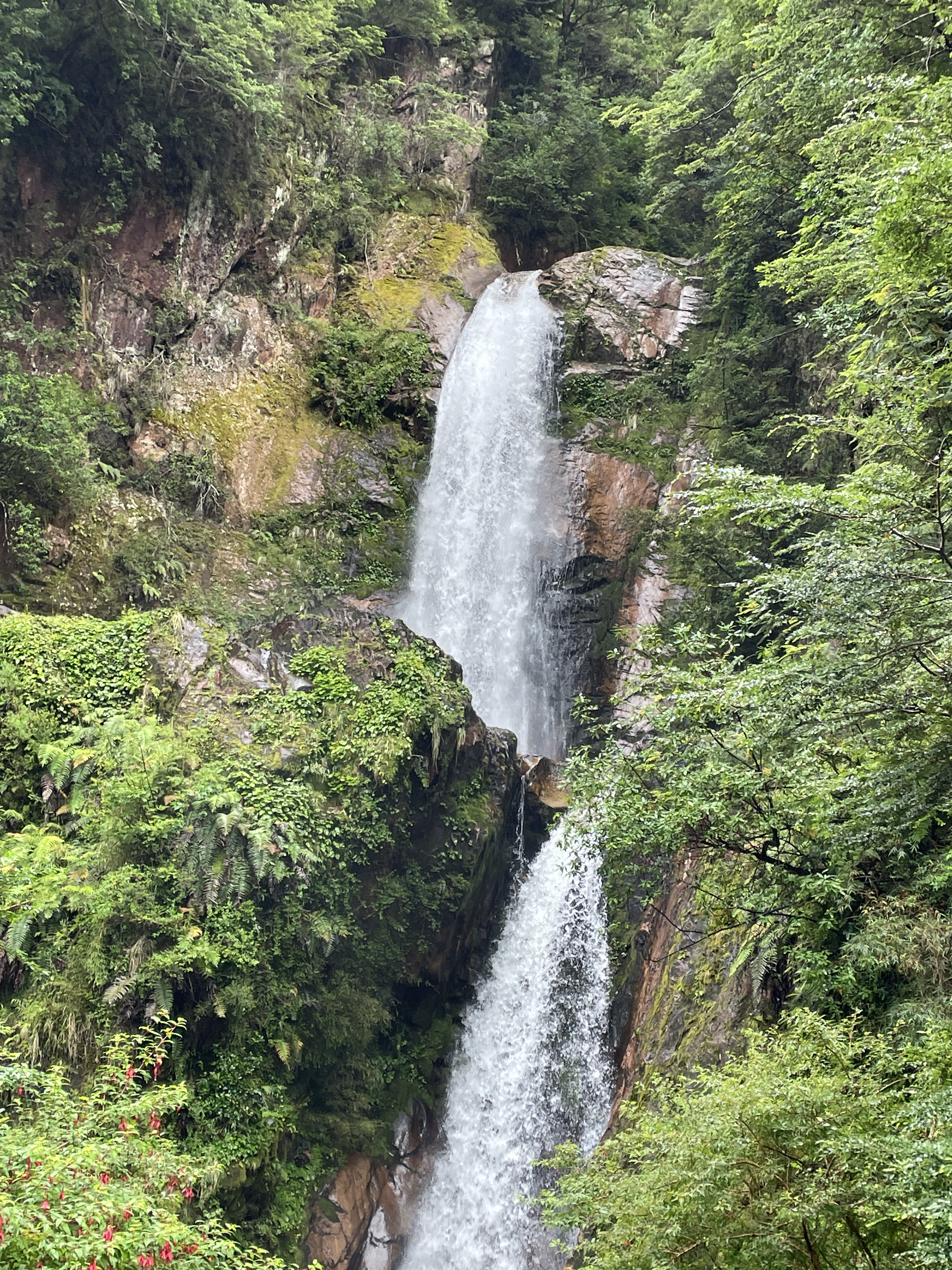
We drove on, stopping at the Virgen de Cascada shrine. Apparently when they were building the roads the workers saw the Virgin Mary in the waterfall and that was that. Instant shrine. (You know how we Catholics can be about our Virgin Mary sightings). Is it possible that this is a sweet marriage of shamanic medicine usage and Catholic dogma? Just sayin’.
Lots of pretty scenery stops, and none of my iphone photography does any of it justice, but I offer it as an alternative to my inability to put it all into words. Spectacular, really, though.
Stopped at the capital of the Aysen region, Coyhaique. I really needed some caffeine and also a water bottle since having twenty sitting in the cabinet at home was not doing me any good. I thought about it, I really did, and when packing one should PACK it as soon as one thinks of it. It is a charming little city and I could see myself hanging out there for awhile. The photo of Al in front of Hotel Loyola is because he went to grad school at Loyola of Chicago.
Now then, the founder of North Face Co, Doug Tomkins, died in this city and it is my favorite kind of story – human arrogance run amok with nature, although no one can really diss Tompkins. He was an avid conservationist and bought many acres of land that spanned from east to west in this area and prevented a hydroelectric plant from being built on the site where the windmills are pictured. He said “no electric wires over my property” and that was the end of that, as the wires would have had to cross his property to get north to Santiago. However, the story goes that there’s a really big lake up there, 714 square miles. General Carrera Lake or Lake Buenos Aires or the native name Chelenko which means “stormy waters”. He had been warned that it was a foolish idea to kayak on the lake as it gets crazy windy up there and the waves are dangerous. He was an expert of course and disregarded the warnings. He and five other people capsized. They survived but at age 72, he did not. I do think that it was one of those “he died doing what he loved” situations but still. When the locals tell you it’s a bad idea…. My only concern now is that the land in question is for sale. Money talks and maybe Santiago will get its electricity after all.
Speaking of wind, if you look closely at the windmill photo, you will see one with broken blades. The wind is so strong up there that kind of thing happens. There were three more windmills but they fell over.
Our last stop was the home of our guide. They gathered rocks, salvaged wood, built a big ol’ house and a little guest house and a chicken coop and a greenhouse and a sauna.
They are both from Germany and came here about 13 years ago. After a couple of years of the blessed solitude she decided she maybe wanted to go back to Germany. However, stepping off the plane in Frankfurt reminded her of what she left behind in the first place and she has been in Chile ever since. Her husband Guito? Guido? Gito ?(I don’t know) had the guest dining area all set up for us and we were served homemade German yummy cake (not the official name) and coffee/tea.
I have to interject that the Germans have some pretty nasty history in this area and if you want to be disgusted you can research it and I believe there is a Netflix documentary about it. I detected some political racism during conversations but perhaps I was looking for it. At any rate Pinochet, the brutal dictator, built all the roads in the area so the Chileans who live there don’t have many bad things to say about him and turned a blind eye to what the fugitive Nazis were teaching him about how to gather information from people. I did not learn this from our guide today but from a guide back in one of the other places we visited.
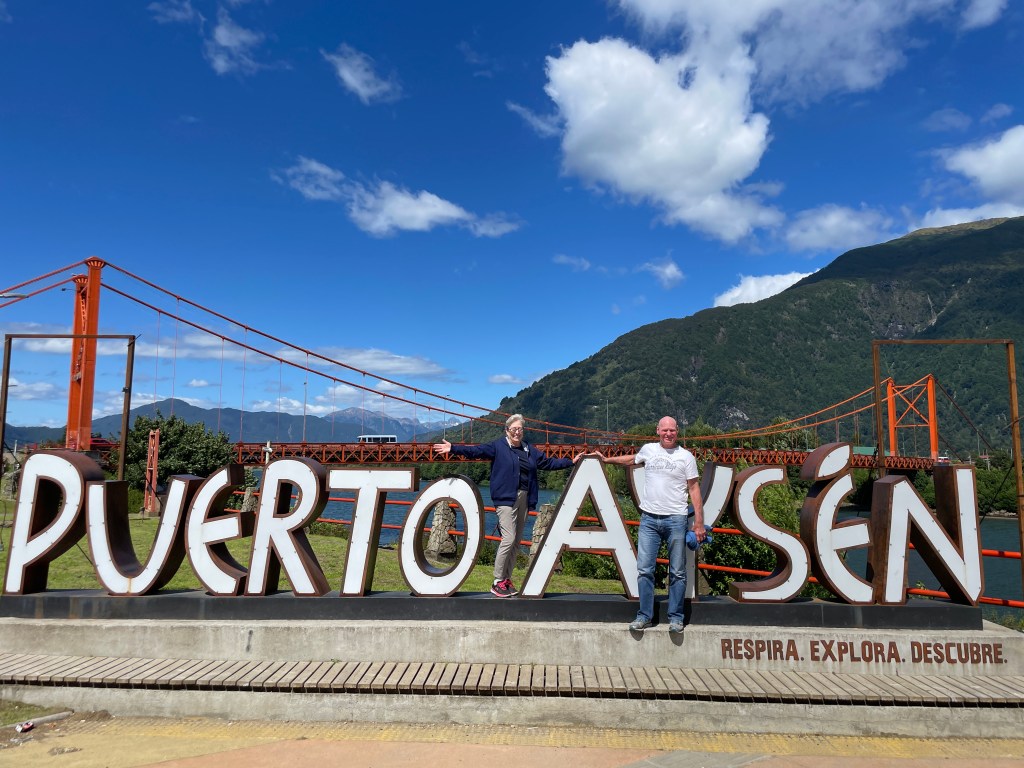
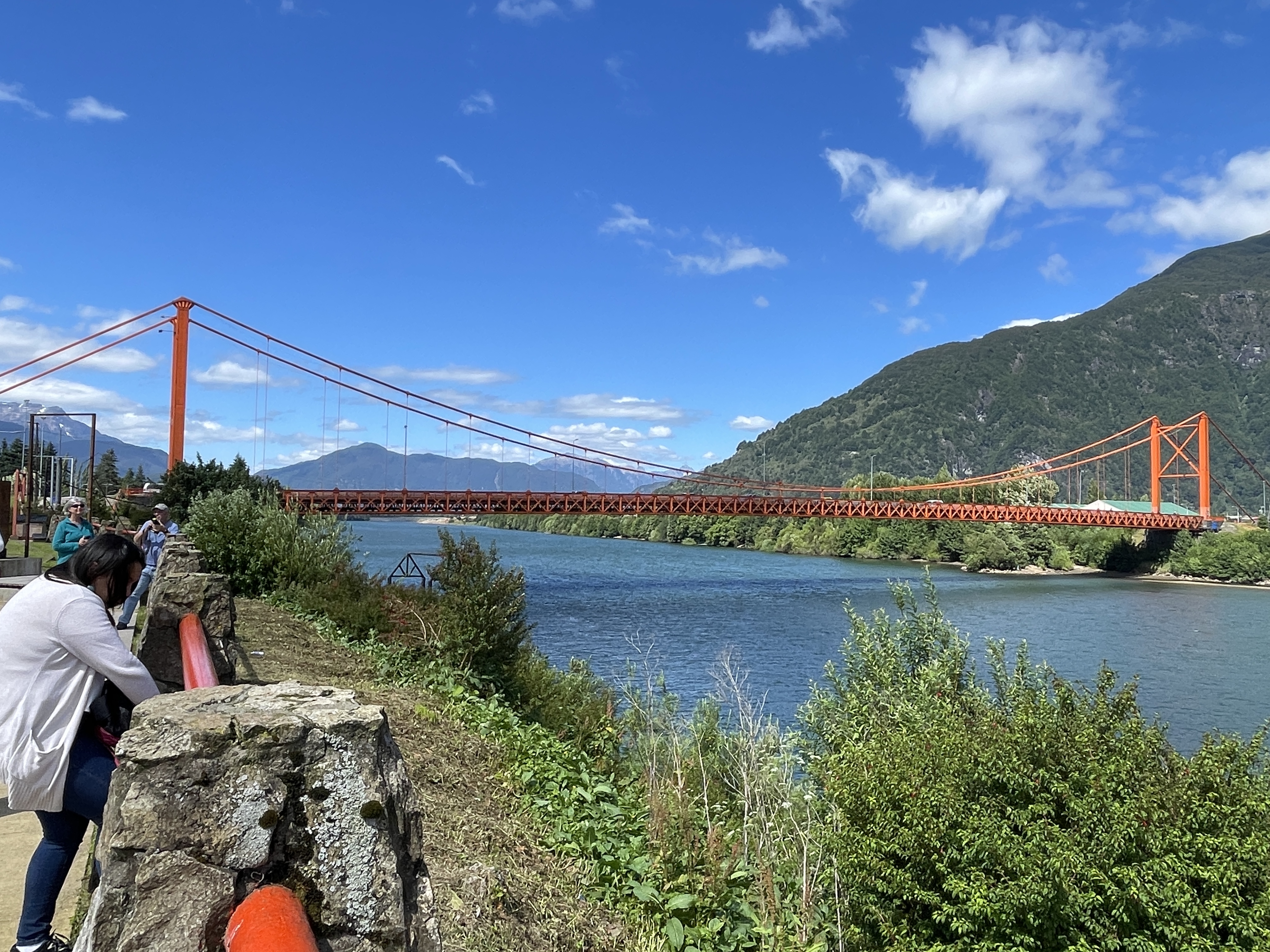
Finally on our way back we stopped at the Golden Gate Bridge of Chile. This too, was designed by Eiffel so I have decided to dig up a photo of the train station in Santiago to add to this blog, even though it belongs in the last one.
We have two days of sailing through fjords ahead of us…



 Favorite Philosopher's Blog
Love your story Mary. Makes me want to return to Chile. . . someday
Thanks Carolyn. Yes except for the Santiago welcome, Chile was lovely. Gorgeous country.